What Gateshead's housing stock gives you to work with
Gateshead's main postcode districts each carry a different mix, and the right conversion follows the roof you already own.
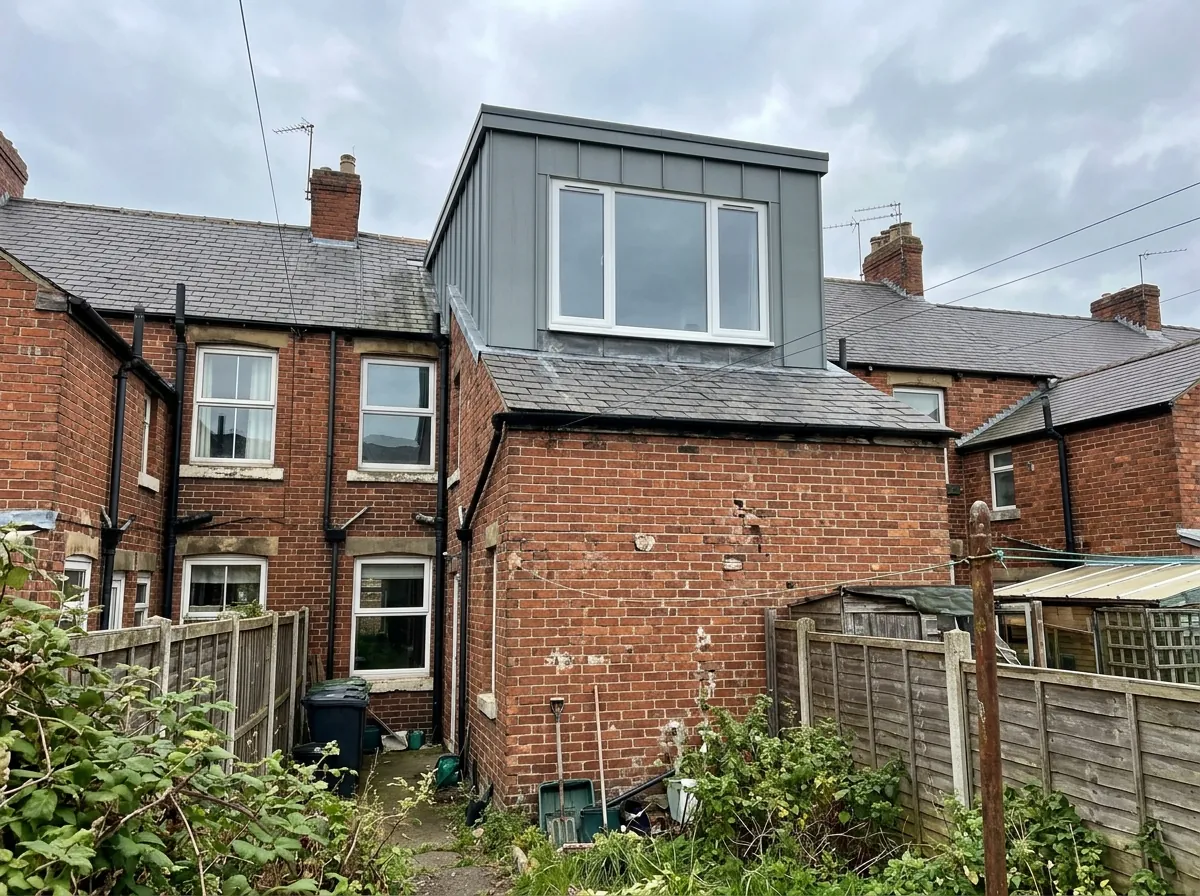
Bensham and Saltwell (NE8). A dense Victorian grid built out between the 1870s and 1914, split between two-storey terraces and Tyneside flats. The flats matter here because Gateshead invented them: the first recorded Tyneside flats went up on the Shipcote estate in 1866. Streets like Havelock Terrace, Coatsworth Road and the blocks around Bewick Road mix both types, and the Coatsworth Conservation Area takes in Claremont Place, Sedgewick Place and Woodbine Terrace, with terraces dating back to 1819. North and west of Saltwell Park, which opened in 1876, the stock steps up to substantial Victorian terraces and large Edwardian houses with steep slate roofs and generous ridge heights. Those roofs take a rear dormer well.
Low Fell (NE9). The strongest conversion territory in the borough. Kells Lane and the streets between Durham Road and Belle Vue Bank carry stone cottages, red brick Victorian terraces with Welsh slate roofs (Rosslyn Avenue is a good example) and early 20th century semis. The Edwardian and inter-war semis on the fringes often have hipped roofs, which points the design toward hip-to-gable.
Whickham (NE16). A former village core surrounded by post-war estates. Semis and bungalows on streets like Oakfield Road, Broom Lane and Coniston Avenue convert readily, and detached prices above £440,000 give the area genuine value headroom.
Felling, Windy Nook and Dunston (NE10 and NE11). Mixed stock: Victorian terraces around Wood Street and Palatine Place in Dunston, 1950s and 1960s terraces in Felling, and inter-war semis through Lobley Hill. Post-1965 estates sometimes have trussed roofs, which still convert but need more steel. The roof shape you have decides which dormer works best, so it is worth comparing the dormer types before you brief a builder.
What a loft conversion costs in Gateshead in 2026
Trade cost indexes put Gateshead at roughly 0.90 times the UK national average for building work, one of the cheapest multipliers in England. A dormer that averages £50,000 nationally prices well under that here, slightly below even the Newcastle figures.
Typical fully fitted ranges for Gateshead in 2026, mid-spec, with building control included:
- Velux (rooflight) conversion: £20,000 to £28,000
- Rear dormer on a terrace or semi: £33,000 to £46,000
- Hip-to-gable with rear dormer on an inter-war semi: £42,000 to £55,000
- L-shaped dormer or two-room conversion: £48,000 to £62,000
Those figures cover structural calculations, steels, the new floor, a staircase, insulation to current Part L, full electrics and plumbing, one en-suite, plastering and decoration, building control fees and a 10 year workmanship warranty, all set out in one written quote itemised by stage.
Gateshead Council publishes its building control charges. The 2026-27 schedule lists a £280 plan charge plus a £747 inspection charge for a loft conversion, or £925 if you pay both together with the full plans application. Decision notices arrive within five weeks of a valid full plans deposit and the approval stays valid for three years.
Prices rise with soil pipe relocation, party wall complications on tight terraced streets, conservation-grade slate and trussed post-war roofs that need extra steel. They fall where the steep Victorian pitches of Bensham, Saltwell and Low Fell already give standing headroom. Our national cost guide shows how these ranges compare across the UK.
Tyneside flats: the Bensham question
A big slice of NE8 is Tyneside flats: pairs of single-storey flats stacked inside what looks like a normal two-storey terrace, with two front doors side by side on the street. The upper flat sits directly under the roof, and that roof space is often large enough for a proper bedroom. Whether you can convert it depends on two checks that come before any builder.
First, ownership. Tyneside flats are usually sold as separate freeholds or long leases, and the loft is not automatically part of the upper flat's title. Before anyone prices a conversion, your title plan and lease need to confirm who owns the roof void and whether structural alterations require the other flat's consent. Tyneside conveyancers deal with this regularly and it is usually solvable.
Second, planning. Permitted development rights do not apply to flats of any kind, so every Tyneside flat loft conversion in Gateshead needs a full householder planning application. Budget £548 for the application fee at 2026 rates and around eight weeks for a decision.
There is a third route. Gateshead Council's regeneration programme in Bensham and Saltwell has already converted some pairs of Tyneside flats back into single family houses, and owners who hold both flats sometimes do the same with a loft conversion as the final storey, turning two cramped flats into one five-bedroom terrace. We cover the building side of this on our Tyneside flat conversions page.
Planning permission: how Gateshead Council handles lofts
Gateshead is its own metropolitan borough with its own planning department, so everything south of the Tyne goes to Gateshead Council rather than Newcastle City Council. The two councils run different conservation areas and different pre-application services.
The useful mechanics:
- Applications go in online through the Planning Portal, and building control also accepts electronic submission.
- The householder pre-application service costs £56 including VAT with a target response of 40 working days, accepted online only. For a conservation area address the £56 surfaces objections before you pay for drawings.
- A full householder planning application costs £548 under the fee rates that took effect on 1 April 2026. Planning fees in England now rise with inflation every April, so older guides still quoting £258 are two fee increases out of date.
- A lawful development certificate for proposed works costs £274, half the application fee. We recommend it on every permitted development job because your buyer's solicitor will ask for it.
On permitted development itself, the standard England rules apply: 40 cubic metres of added roof volume on a terrace, 50 on a semi or detached, no dormer on the roof slope facing the highway, and materials that appear similar to the existing house.
Gateshead has 22 conservation areas, and several sit exactly where the convertible stock is: Coatsworth in Bensham, Saltwell around the park, Low Fell's core between Kells Lane and Durham Road, Sheriff Hill, Chowdene and the old village centre of Whickham. Inside those boundaries a street-facing dormer loses its permitted development cover and needs a full application, and the council's character statements steer designs toward matching slate and brick. Rear dormers hidden from the street remain achievable in all of them; the rules across the river are on our Newcastle planning page.
Low Fell and Whickham: where the value maths is strongest
The honest way to judge a conversion is against local sold prices, and Gateshead's spread is wide.
Across the borough as a whole, the ONS puts the average semi-detached sale at about £185,000. At that level a £40,000 conversion needs the extra space to matter to you personally, because the resale uplift alone may only just cover the build.
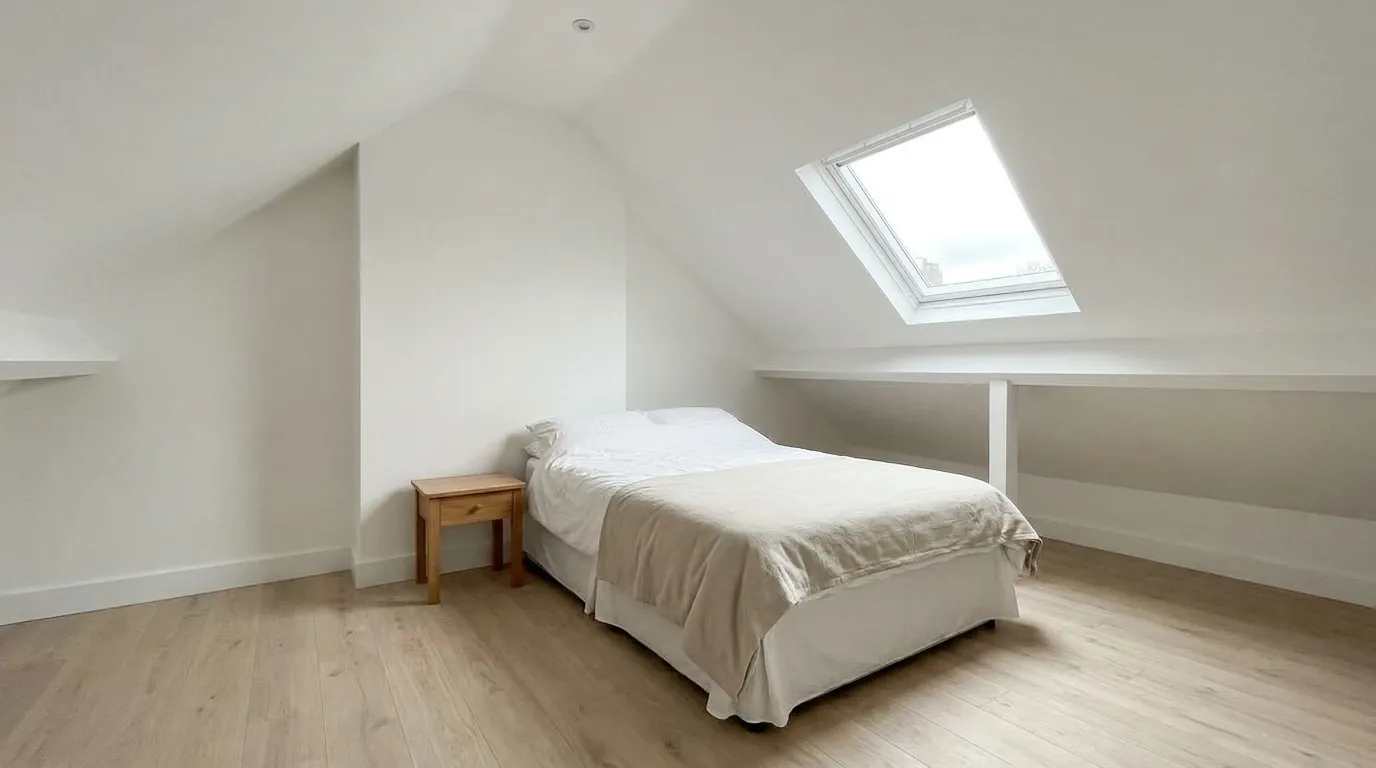
Low Fell behaves differently. Semi-detached homes there sold for an average of £243,645 over the past year, and the bigger Victorian semis off Durham Road go well past £300,000. The standard industry range for a loft conversion's effect on value is 15 to 25 percent, which on a £240,000 Low Fell semi means £36,000 to £60,000 against a dormer cost of £33,000 to £46,000. The three-bed to four-bed jump is the whole game here: family demand along the Kells Lane and Durham Road corridor stays constant and four-bed stock is scarce.
Whickham runs on similar logic. Semis average between £203,000 and £229,000, and detached homes average above £440,000, so the buyer headroom is real. A £45,000 hip-to-gable on a £220,000 Whickham semi that revalues around £270,000 has paid for itself while adding the bedroom.
In Bensham, Felling and Dunston, where terraces trade between roughly £130,000 and £185,000, the arithmetic is different and worth being honest about: you convert there because a growing family wants to stay near work, school or the Team Valley, and the cost of moving (stamp duty, agent fees, removals) would swallow much of the gap anyway. Our conversion types guide helps match the cheapest suitable design to the budget.
How we work in Gateshead
UK Loft Conversion is a nationwide loft conversion specialist. Gateshead work is handled by the same North East team that covers Gosforth, Jesmond and Heaton.
- Free home survey. A surveyor measures ridge height, roof pitch and stair alignment, checks the party walls and photographs the elevations that planning will care about.
- Written quote after the visit. Itemised by stage, with inclusions and exclusions listed.
- Planning route confirmed before drawings. Conservation area addresses get a £56 pre-application enquiry to Gateshead Council. Permitted development jobs get a lawful development certificate to document the route.
- Structural design and building control. Calculations for the steels and new floor go to Gateshead building control as a full plans application, with the decision notice due within five weeks.
- Party wall notices. Nearly every terrace and semi in NE8 to NE11 shares at least one structural wall, so notices go out early.
- Build. 4 to 6 weeks on site for a Velux conversion, 8 to 12 for a rear dormer, 10 to 14 for a hip-to-gable.
- Handover. Building control completion certificate plus the 10 year workmanship warranty.
Before you book
Frequently asked questions
How much does a loft conversion cost in Gateshead?
Most Gateshead conversions land between £20,000 and £55,000 in 2026. A Velux conversion on a steep-roofed Victorian terrace in Bensham or Saltwell runs £20,000 to £28,000. A rear dormer on a Low Fell semi typically costs £33,000 to £46,000, and a hip-to-gable with rear dormer on an inter-war semi runs £42,000 to £55,000. Trade cost indexes place Gateshead about 10 percent below the UK average for this work.
Do I need planning permission for a loft conversion in Gateshead?
Often no. Houses in Gateshead keep standard permitted development rights: 40 cubic metres of added roof volume on a terrace, 50 on a semi or detached, with no dormer on the slope facing the road. A full application is needed if the property is a flat (which includes every Tyneside flat), if it sits in one of the borough's 22 conservation areas and the roof work faces the street, or if it exceeds the volume caps. A householder application costs £548 at 2026 rates and most decisions arrive within eight weeks.
Is Gateshead under Newcastle City Council for planning?
No. Gateshead is a separate metropolitan borough, so every planning and building control application south of the Tyne goes to Gateshead Council. Submissions run through the Planning Portal, the householder pre-application advice service costs £56 including VAT with a 40 working day response target, and building control publishes its own fee schedule: £925 covers a loft conversion full plans application with both charges paid together.
Can I convert the loft of a Tyneside flat in Bensham?
Sometimes, and two checks come before any pricing. Ownership first: the roof void is not automatically part of the upper flat's title, so your lease or title plan must confirm you own the space and can alter the structure. Planning second: flats have no permitted development rights, so a full application is always required. Where one owner holds both flats, converting the pair into a single house with a loft room is often the stronger project, as Gateshead Council's own Bensham regeneration has shown.
Which Gateshead areas get the best value uplift from a loft conversion?
Low Fell and Whickham. Low Fell semis averaged £243,645 over the last year and four-bed family stock around Kells Lane and Durham Road is scarce, so a 15 to 25 percent uplift usually clears the build cost with room to spare. Whickham semis average £203,000 to £229,000 with detached homes above £440,000, so buyers there fund bigger houses. In Bensham, Felling and Dunston the stronger case is space for a growing family rather than resale profit.
How long does a loft conversion take in Gateshead?
On site, a Velux conversion takes 4 to 6 weeks, a rear dormer 8 to 12 weeks and a hip-to-gable 10 to 14 weeks. Approvals come first: Gateshead building control issues full plans decisions within five weeks of a valid deposit, a planning application adds around eight weeks, and party wall notices need two months unless the neighbour consents straight away. A conservation area project realistically runs five to six months end to end.
Do I need a party wall agreement for a Gateshead loft conversion?
Almost certainly. Terraces in Bensham, Saltwell, Felling and Dunston and semis in Low Fell and Whickham nearly all share a structural wall, and the new steel beams usually bear on it. The Party Wall etc. Act 1996 requires two months' notice before that work starts. A neighbour who signs consent straight away removes the delay. If they dissent, a surveyor process starts, and we build that time into the programme.
Is a loft conversion worth it on a £150,000 Felling terrace?
Treated purely as an investment it is marginal. A £35,000 dormer on a £150,000 terrace returns £22,500 to £37,500 at the standard 15 to 25 percent uplift. The project makes sense when the alternative is moving house: stamp duty, agent fees and removals on a step up to a £220,000 semi cost real money, and gaining a bedroom while staying near Felling Metro or the Team Valley often beats that spend.
Related pages
- Cities/Newcastle →
- Cities/Newcastle/Jesmond →
- Cities/Newcastle/Gosforth →
- Cities/Newcastle/Heaton →
- Cities/Newcastle/Tyneside Flats →
- Cities/Newcastle/Dormer →
- Cities/Newcastle/Hip To Gable →
- Cities/Newcastle/Velux →
- Cities/Newcastle/Cost →
- Cities/Newcastle/Planning Permission →
- Loft Conversion Cost →
- Loft Conversion Types →
- Loft Conversion Planning Permission →
- Types Of Dormer →
- Cities/Newcastle/Sunderland →
- Cities/Gateshead/Dormer →
- Cities/Gateshead/Hip To Gable →
- Cities/Gateshead/Velux →
- Cities/Gateshead/Mansard →
Ready for a written quote?
Free home survey, a written quote itemised by stage, and a 10 year workmanship warranty.