Why Jesmond loft conversions are different
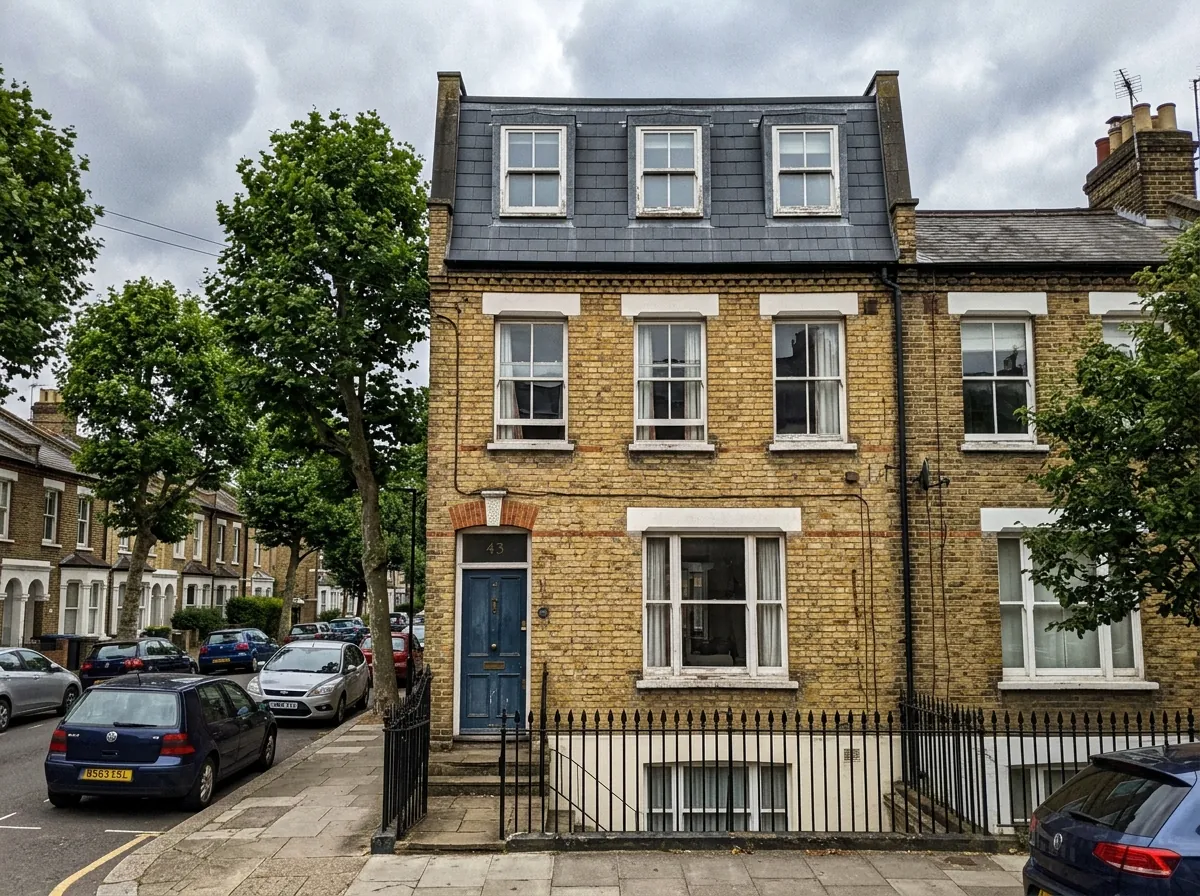
Most of Newcastle's loft work happens on 1930s semis in Gosforth or Tyneside flats in Heaton. Jesmond is its own category. The housing stock is older, taller, and architecturally protected in large pockets.
Three features shape almost every NE2 project:
- Period roofs with steep pitches. Victorian and Edwardian terraces in Jesmond often have generous head height once you strip back the existing ceiling line. That makes mansards and full-width rear dormers genuinely viable, where a 1930s semi might only suit a modest hip-to-gable.
- Multi-storey townhouses. Streets around Osborne Road, Eslington Terrace and parts of Acorn Road include four and five storey homes. A loft conversion here is rarely a single bedroom add-on. It is usually a master suite with en-suite, a second bedroom, or a self-contained top floor.
- Conservation overlays. Parts of Jesmond fall inside conservation areas, and the wider Jesmond, High West Jesmond and North Jesmond area carries Article 4 directions tied to HMO use and external alterations. Both affect what you can build and how you apply for it.
This is also a young-professional and family-upgrade market. Buyers in NE2 expect the loft to feel like an integrated part of the house rather than a tacked-on attic. Skirtings, architraves and staircase details need to read as period-sympathetic. That shows up in the budget.
Best conversion types for NE2 properties
For most Jesmond terraces and townhouses, three layouts do the heavy lifting.
Rear dormer (large, full width)
The workhorse on standard Jesmond terraces. A wide rear dormer pulls the most usable floor area out of a Victorian roof and almost always allows a proper double bedroom with en-suite. On a Permitted Development house this can avoid a full planning application, but in conservation pockets and on Article 4 streets you will need formal consent. Typical build duration 8-12 weeks. Budget £45,000 to £60,000 for a well-finished NE2 dormer.
Mansard
The natural fit for taller Jesmond townhouses, especially the four storey stock near Osborne Road and the university. A mansard replaces the existing rear roof slope with a near-vertical wall and a flat top, giving you almost full-height floor space across the new storey. Mansards always need planning permission, and in a conservation area the council will want the front elevation untouched and slate, lead or zinc finishes that read as period-appropriate. Budget £55,000 to £75,000 in NE2, with the upper end common on detailed Edwardian fronts. Build 12-16 weeks.
L-shaped dormer
Many Jesmond terraces have a back addition (the projecting two-storey rear off-shoot). An L-shaped dormer combines a rear dormer with a second dormer over that back addition, forming an L in plan. The result is two new rooms instead of one, often a bedroom plus a bathroom or study. Almost always requires planning permission due to scale. Budget £50,000 to £65,000. Build 10-14 weeks.
Velux-only rooflight conversions work on simpler Jesmond properties without much rear projection, and they are the lowest-friction option in conservation pockets because they keep the roofline intact. Budget £22,000 to £32,000 for a one-bedroom Velux conversion in NE2. Which dormer suits a given NE2 property comes down to the roof, so it is worth comparing the types of dormer alongside these options.
Planning permission in Jesmond
Jesmond sits inside Newcastle City Council's planning area. Three things decide whether your conversion is Permitted Development or needs a full application.
1. Conservation area status. Parts of Jesmond fall inside conservation areas, including the Jesmond Dene and Old Jesmond designations. In a conservation area, side-facing rooflights and certain dormer types lose Permitted Development rights. A planning application is required for most visible roof alterations.
2. Article 4 directions. Newcastle City Council has Article 4 directions affecting Jesmond, High West Jesmond, North Jesmond, Heaton, Sandyford, South Gosforth and Spital Tongues. The HMO-related directions are aimed at change of use rather than loft work itself, but other Article 4 measures restrict permitted development on alterations, fences and porches in certain streets. Always check your specific address against the council's interactive Article 4 map before assuming PD applies.
3. Listed buildings and flats. A handful of Jesmond properties are listed. All flats, including the ground-and-first-floor conversions of former townhouses, need planning permission for any loft work. Permitted Development simply does not apply to flats.
Building Regulations are always required, regardless of planning route. Expect £500 to £900 in council fees plus the structural and fire-safety design work. Newcastle uses the Tyne and Wear Building Control partnership for most domestic loft sign-off.
Party Wall agreements are almost universal on Jesmond terraces. Plan for one on each shared wall, served at least two months before work starts.
What a Jesmond loft conversion costs in 2026
Newcastle sits about 12 percent below the UK average for loft conversion costs. Jesmond pushes back the other way because of the period property premium, the planning workload and the finish standard buyers expect in NE2.
Realistic 2026 ranges for Jesmond:
- Velux conversion: £22,000 to £32,000
- Rear dormer: £45,000 to £60,000
- L-shaped dormer: £50,000 to £65,000
- Mansard: £55,000 to £75,000
What sits inside those numbers on a typical NE2 build:
- Structural steels and floor build-up (Victorian joists rarely meet modern loading)
- Staircase, often a custom run on a tight terrace footprint
- Insulation, plasterboard, plastering, decoration
- One bathroom or en-suite with full first-fix plumbing
- Heating extension and new electrics through the loft level
- Velux or dormer windows, glazed to current Part L standards
- Building Regulations fees, structural calculations, party wall awards
What sits outside those numbers and often surprises owners:
- Planning application fees and architect drawings for non-PD work (£1,500 to £4,000)
- Conservation area heritage statements where required
- Sympathetic material upgrades (natural slate, lead flashings, timber sashes)
- Bedroom furniture, wardrobes, fitted storage
- Redecoration of the existing stairwell, which always shows scuffs after a loft build
Return on investment. A loft conversion typically adds 15 to 25 percent to a UK home's value. In Jesmond, where median terrace prices sit higher than the Newcastle average, the cash uplift is usually larger than the build cost. A £450,000 NE2 terrace gaining a third bedroom and en-suite often values closer to £540,000 to £570,000 post-conversion.
How long a Jesmond build takes
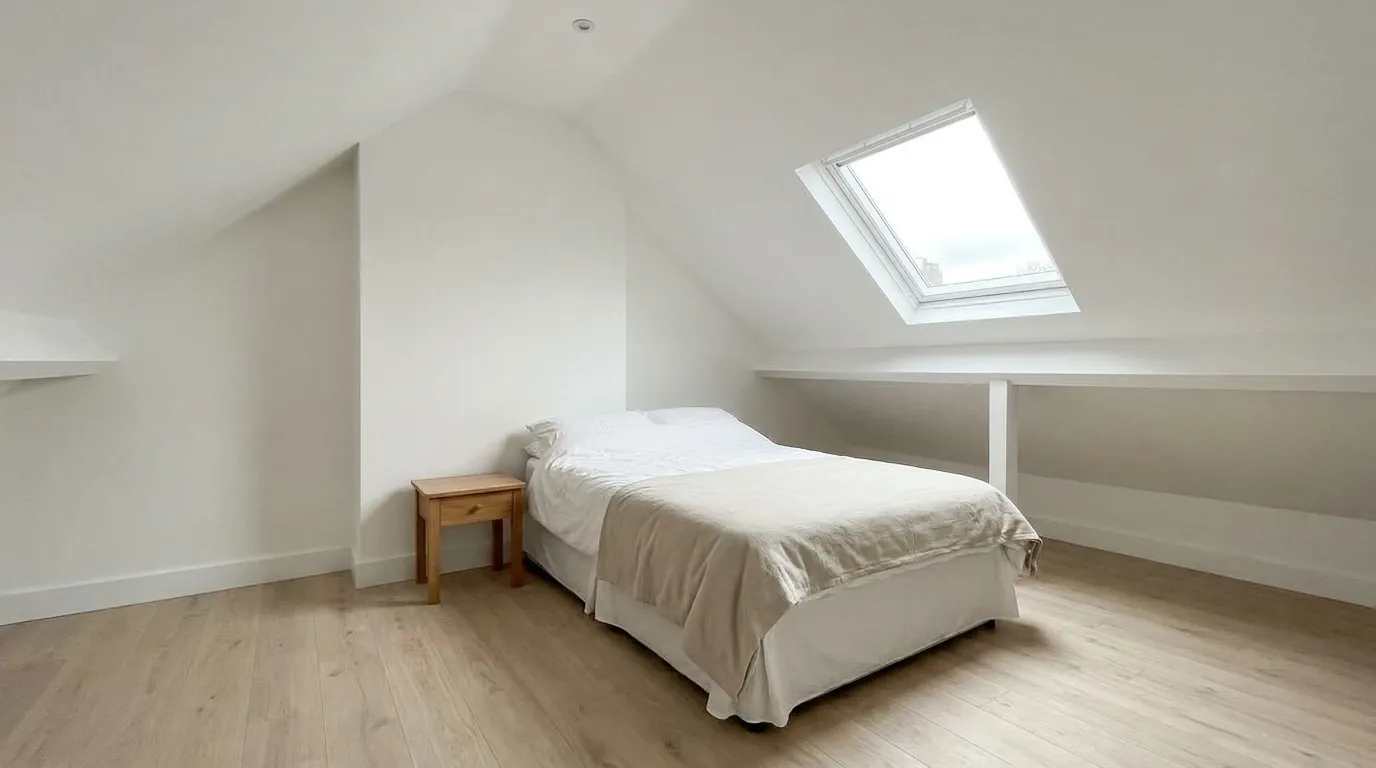
From first call to finished loft, plan for around six months on a conservation-area project and three to four months on a Permitted Development build.
Typical schedule for a planning-required NE2 project:
- Week 1: free home survey, scope agreed, written quote itemised by stage
- Weeks 2-3: measured survey, structural design, architect drawings
- Weeks 4-12: planning application submitted, 8 week determination period, neighbour consultation
- Weeks 13-14: party wall notices served, awards agreed
- Weeks 15-26: on-site build (8-16 weeks depending on type), Building Control inspections at staged points
- Week 27: final sign-off, 10 year workmanship warranty issued, completion certificate
Permitted Development jobs (rear dormer on a non-conservation NE2 street, for example) compress this to about 14-16 weeks total because the planning step drops out.
Living in Jesmond during the build
Most Jesmond loft conversions are done with the family in residence. The trades enter through the existing staircase or a hoarded scaffold route at the rear, and the ground floor stays usable throughout.
A few practical points specific to NE2:
- Parking. Resident permit zones cover much of Jesmond. Builders need to factor in permit applications or a skip licence for the build window. Streets off Acorn Road and Brentwood Avenue are particularly tight.
- Scaffold. Almost all rear dormers and mansards need scaffold at the back. On terraced streets that means rear-garden access negotiated with one or both neighbours.
- Dust and noise. The week the existing roof opens up is the disruptive one. Most builders dust-sheet the top floor before that point.
- Heating. Older Jesmond combi boilers sometimes struggle once a third bathroom is added. Ask for a boiler load calculation before the build, not after.
We recommend booking a free home survey before you commit to any spend. It is the quickest way to know whether your specific NE2 address sits inside a conservation area, what type of conversion the roof actually supports, and what a written quote looks like.
Before you book
Frequently asked questions
Do I need planning permission for a loft conversion in Jesmond?
Often yes. Conservation area pockets in Jesmond, the wider Article 4 coverage across NE2, listed properties and all flats require a full planning application. Standard rear dormers on Permitted Development houses outside conservation zones can sometimes proceed without one, but every Jesmond address should be checked against Newcastle City Council's Article 4 map and conservation area boundaries before assuming PD applies. Building Regulations approval is always required regardless of planning route.
What is a realistic budget for a loft conversion in Jesmond?
For most NE2 terraces, expect £45,000 to £60,000 for a large rear dormer, £50,000 to £65,000 for an L-shaped dormer, and £55,000 to £75,000 for a mansard. These figures include structural work, staircase, en-suite, finishes and Building Regulations fees. Planning application drawings, conservation heritage statements and high-spec finishes can add £2,000 to £6,000.
Can I have a mansard loft conversion on a Jesmond townhouse?
Often yes, and a mansard is frequently the best answer on taller Victorian and Edwardian townhouses near Osborne Road and the university. Mansards always need planning permission. In a conservation area the council will expect period-appropriate materials such as natural slate or lead, and the front elevation will usually need to remain visually unchanged from the street.
How long does a Jesmond loft conversion take from start to finish?
Plan for six months end to end on a conservation-area project. The split is roughly 8 weeks for design and planning, 2 weeks for party wall agreements, and 8 to 16 weeks on site depending on conversion type. A straightforward Permitted Development rear dormer can be finished inside 14 to 16 weeks because the planning step drops out.
Will a loft conversion add value to a Jesmond property?
Generally yes. UK loft conversions typically add 15 to 25 percent to home value. In Jesmond, where terrace prices sit above the Newcastle average, that uplift usually exceeds the build cost by a healthy margin. A £450,000 NE2 terrace adding a third bedroom and en-suite often values around £540,000 to £570,000 post-conversion, depending on street and finish.
Do I need a party wall agreement in Jesmond?
Almost certainly. Jesmond is dominated by terraces and semi-detached townhouses with shared walls. Any structural work that affects a party wall, including new steels, dormer cheeks built off the shared wall, or chimney removal, triggers the Party Wall Act. Notices must be served at least two months before work starts.
What about Article 4 directions in Jesmond?
Newcastle City Council has Article 4 directions affecting Jesmond, High West Jesmond and North Jesmond. The HMO-focused directions limit change of use from family dwelling to small HMO without planning permission. Other Article 4 controls restrict permitted development on alterations in specific streets. None of these prevent loft conversions, but they often mean a full planning application is required where PD might otherwise have applied.
Related pages
- Cities/Newcastle →
- Cities/Newcastle/Gosforth →
- Cities/Newcastle/Heaton →
- Cities/Newcastle/Mansard →
- Cities/Newcastle/Dormer →
- Cities/Newcastle/Cost →
- Cities/Newcastle/Planning Permission →
- Mansard Loft Conversion →
- Dormer Loft Conversion →
- Loft Conversion Cost →
- Loft Conversion Planning Permission →
- Types Of Dormer →
- Cities/Newcastle/Ponteland →
Ready for a written quote?
Free home survey, a written quote itemised by stage, and a 10 year workmanship warranty.