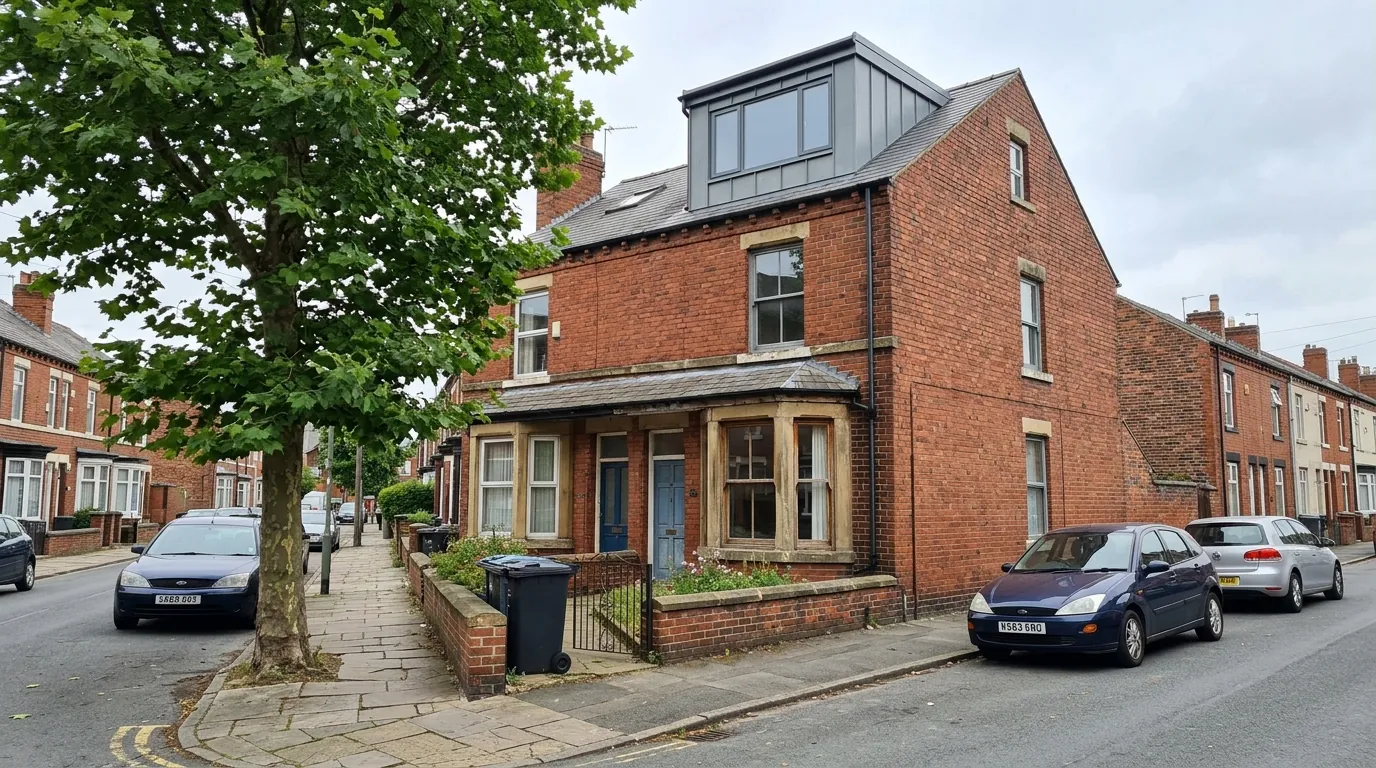
Loft Conversion Costs in Birmingham (2026)
Birmingham sits in the Midlands pricing band, which lines up close to the UK average. Most homeowners here pay between £38,000 and £55,000 for a fitted loft conversion at mid-spec. The exact figure depends on roof shape, conversion type, finish level and how much structural work the existing roof needs.
Typical 2026 prices in Birmingham:
- Velux (rooflight) conversion: £20,000 to £35,000
- Rear dormer (most common in B13, B14, B17): £38,000 to £55,000
- Hip-to-gable (very common on Birmingham 1930s semis): £45,000 to £62,000
- L-shaped dormer (Victorian terraces with rear outrigger): £45,000 to £65,000
- Mansard (rare outside conservation streets): £55,000 to £80,000
Per square metre, expect £920 to £1,200 for Velux work, £1,670 to £2,200 for dormers, and £2,000 to £2,400 for hip-to-gable builds. A standard Birmingham conversion lands between 25 and 35 square metres of new usable floor area.
ROI is the part that makes the numbers work. A typical Birmingham conversion adds 15 to 25 percent to the home value. On a £320,000 Harborne semi, that is often £55,000 to £75,000 of uplift on a £45,000 spend.
Planning Permission in Birmingham
Birmingham City Council handles planning across the whole city. For most homes outside conservation areas, a rear dormer or Velux conversion falls under Permitted Development. The volume allowances are 40 cubic metres for terraces and 50 cubic metres for semis and detached houses.
You will need full planning permission if any of the following apply:
- The property is in a conservation area (Moseley, parts of Edgbaston, Jewellery Quarter, Bournville, parts of Harborne)
- An Article 4 Direction is in place on your street
- The home is a flat or maisonette
- You are proposing a mansard or a front-facing dormer
- The volume allowance has already been used by a previous extension
Building Regulations approval is required on every loft conversion in Birmingham, with no exceptions. Typical Building Control fees through Birmingham City Council or an approved private inspector run £500 to £900. Party Wall agreements are standard on terraces and semis, and an Award usually costs £900 to £1,500 per neighbour if a surveyor handles it.
Lawful Development Certificates are worth the £103 application fee. They prove your work was lawful under Permitted Development and remove friction on resale. Birmingham planning portal turnaround is usually 6 to 8 weeks for full applications.
Loft Conversion by Birmingham Area
Birmingham housing changes character by postcode, and the right conversion type changes with it.
Edgbaston (B15, B16): Large Edwardian and Victorian villas, often with generous loft volume already. L-shaped dormers and rear dormers are common. Parts of Edgbaston sit in conservation areas, so check before assuming Permitted Development. Pricing skews toward the upper Midlands range, £48,000 to £65,000 for a quality fit.
Moseley (B13): Moseley Conservation Area covers a large chunk of B13, including most of the Victorian and Edwardian terraces around the village. Full planning permission is the default here, and dormer designs usually need to sit rear-only with traditional materials. Mansards are sometimes approved on streets where neighbours already have them. Budget £42,000 to £60,000.
Harborne (B17): A blend of 1930s semis, Victorian terraces and post-war housing. Hip-to-gable plus rear dormer is the workhorse conversion here, turning a hipped roof into a proper double bedroom with ensuite. Typical spend £45,000 to £58,000. Parts of Harborne sit in conservation areas.
Kings Heath (B14): Victorian and Edwardian terraces dominate, with strong rear outriggers that suit L-shaped dormers. Permitted Development covers most jobs outside the conservation patches. Pricing £40,000 to £55,000.
Hall Green, Acocks Green, Yardley (B27, B25, B28): 1930s semis with hipped roofs are everywhere. Hip-to-gable is the obvious answer and adds the most usable floor area. Budget £42,000 to £55,000.
Sutton Coldfield (B72, B73, B74): Larger detached homes and bigger plots. Velux conversions are often enough where the existing roof has standing headroom. Full dormers and hip-to-gables push to £50,000 to £68,000.
How Long a Birmingham Loft Conversion Takes
Build duration is driven by conversion type rather than where in the city you are. Birmingham trades are well supplied and lead times are normally 8 to 14 weeks from quote acceptance to start on site.
On-site build times:
- Velux conversion: 4 to 6 weeks
- Rear dormer: 8 to 12 weeks
- Hip-to-gable: 10 to 14 weeks
- L-shaped dormer: 10 to 14 weeks
- Mansard: 12 to 16 weeks
Add 6 to 10 weeks before the build if a full planning application is needed. Permitted Development jobs can start as soon as Building Control is engaged and the structural calcs are signed off, which is normally 2 to 3 weeks.
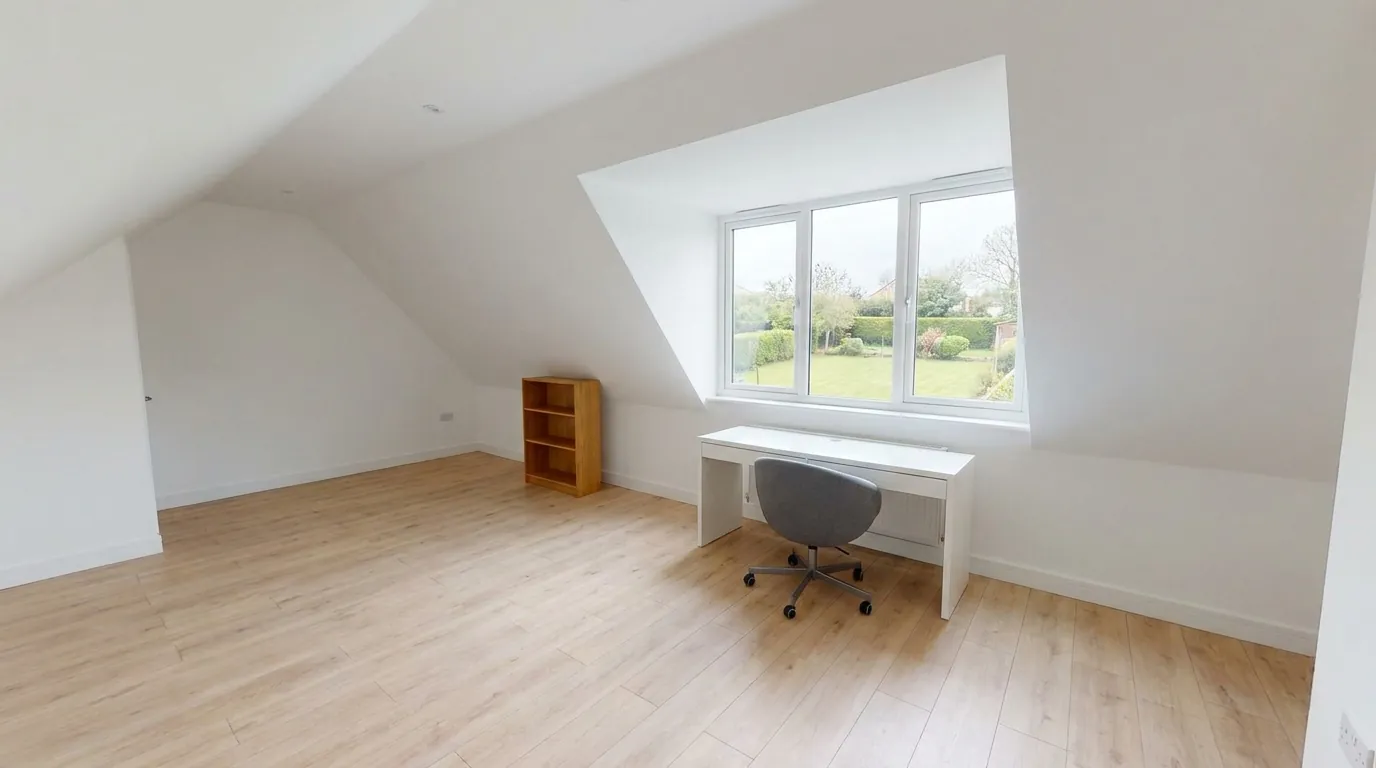
Choosing a Birmingham Loft Conversion Specialist
Loft conversions are structural work. The bar for picking a builder needs to be higher than for a kitchen refit.
What to check:
- Public liability insurance of £2 million minimum, current certificate seen
- A written quote itemised by stage so you can see exactly what is included
- A 10 year workmanship warranty, confirmed in writing
- Membership of a competent person scheme for any electrical and gas work
- Three completed Birmingham jobs you can visit or speak to the owners about
- Clear handling of Party Wall notices, with named surveyors
UK Loft Conversion builds loft conversions in Birmingham. We carry out a free home visit, deliver a free written quote once we have surveyed the loft, and back every build with a 10 year workmanship warranty.
What Adds to a Birmingham Loft Conversion Cost
The £38,000 to £55,000 range covers a standard fit. Items that push the price up:
- Steel beams running across an unusual span (£1,500 to £4,000 extra)
- En-suite bathroom (£6,000 to £10,000 on top of the shell)
- Velux balcony windows or Juliet balconies (£2,500 to £5,000)
- Bespoke staircase joinery or oak treads (£2,000 to £6,000)
- Conservation-grade slate or clay tiles to match existing (£3,000 to £8,000)
- Full rewire of the lower floors triggered by new circuits (£2,500 to £4,500)
- Underfloor heating in the new rooms (£1,800 to £3,500)
Items that keep the price down: keeping the existing chimney breast in place where possible, avoiding ensuite plumbing if a family bathroom is one floor below, and choosing standard Velux units over flat rooflights.
Before you book
Frequently asked questions
How much does a loft conversion cost in Birmingham in 2026?
Most Birmingham loft conversions cost between £38,000 and £55,000 at mid-spec. Velux conversions start around £20,000, rear dormers sit around £42,000, hip-to-gable jobs on 1930s semis run £45,000 to £62,000, and mansards reach £55,000 to £80,000. Birmingham pricing tracks the UK Midlands average.
Do I need planning permission for a loft conversion in Birmingham?
Most rear dormers and Velux conversions on Birmingham houses fall under Permitted Development, with 40 cubic metres allowed on terraces and 50 cubic metres on semis and detached. Full planning permission is needed in conservation areas (Moseley, Bournville, parts of Edgbaston, Jewellery Quarter), on flats, for mansards, and where an Article 4 Direction applies. Building Regulations approval is always required.
How long does a loft conversion take in Birmingham?
On-site build is 4 to 6 weeks for a Velux, 8 to 12 weeks for a rear dormer, 10 to 14 weeks for a hip-to-gable, and 12 to 16 weeks for a mansard. Add 6 to 10 weeks before the build starts if full planning is required. Permitted Development jobs typically begin 2 to 3 weeks after sign-off.
Which type of loft conversion suits a Birmingham 1930s semi?
Hip-to-gable with a rear dormer is the standard answer for 1930s Birmingham semis in Harborne, Hall Green, Acocks Green and Yardley. It turns a hipped roof into a full gable wall, then adds a rear dormer to maximise floor area. Expect £45,000 to £62,000 fitted.
Will a loft conversion add value to my Birmingham home?
Yes. A loft conversion typically adds 15 to 25 percent to a Birmingham home's value. On a £320,000 Harborne or Kings Heath property, that is £48,000 to £80,000 of uplift on a £45,000 spend. The strongest ROI comes from adding a double bedroom plus ensuite.
Can I convert the loft on a Moseley conservation area house?
Often yes, but you will need full planning permission rather than relying on Permitted Development. Birmingham City Council usually permits rear dormers in traditional materials. Front-facing dormers are normally refused. Mansards are case-by-case and depend on what neighbouring properties already have. Budget 8 to 12 weeks for the planning route.
Do I need a Party Wall agreement in Birmingham?
If you live in a terrace or semi-detached house, almost always yes. The Party Wall Act applies whenever steel beams will bear on a shared wall, which is standard on loft conversions. Notices need to be served at least two months before work starts. A surveyor-handled Award typically costs £900 to £1,500 per affected neighbour.
How do I get a quote from UK Loft Conversion in Birmingham?
Request a free home visit through the site. We visit, measure, discuss the design and return a free written quote itemised by stage so you can see exactly what is included. Every build carries a 10 year workmanship warranty.
Related pages
Ready for a written quote?
Free home survey, a written quote itemised by stage, and a 10 year workmanship warranty.