What a mansard conversion actually is
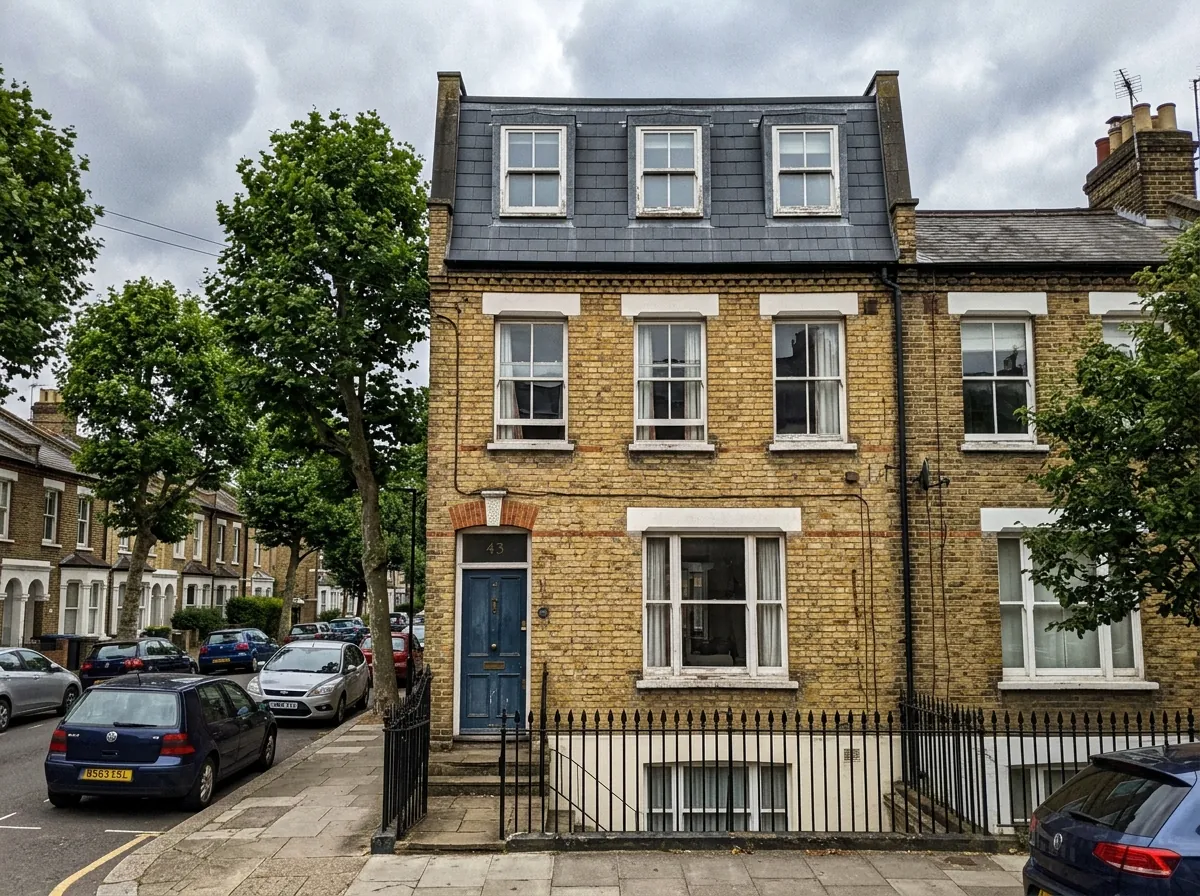
A mansard reshapes the rear roof rather than adding to it. The existing rafters and tiles come off, the party walls are extended upward in brick, and a new flat roof is built across the top with a steep rear face running down to the eaves. The result looks like a continuation of the house wall rather than a box stuck onto the roof.
For a typical Newcastle Tyneside terrace, that geometry recovers around 25 to 35 square metres of usable floor space, which is usually enough for a full master suite with ensuite and a generous walk-in wardrobe, or two bedrooms with a shared shower room.
The trade-offs are real. A mansard is roughly twice the work of a rear dormer, almost always needs full planning permission, and takes 12 to 16 weeks on site. In return you get the most floor area, the best head height across the full footprint, and a roofline that suits a period property far better than a flat-roofed dormer ever will.
Newcastle mansard pricing in 2026
Mansards in Newcastle typically land between £55,000 and £80,000 fitted to a good standard. That is lower than London (where inner-borough mansards now routinely pass £100,000) because labour and overheads on Tyneside run roughly 12 percent below the UK average.
What moves the price inside that range:
- Size of the original roof. A standard two-bay terrace mansard sits at the lower end. Wider properties or those wrapping around a rear addition push higher.
- Specification of the bathroom and bedroom. A simple shower room and painted walls keep costs down. Stone tiling, underfloor heating and joinery push £8,000 to £15,000 onto the bill.
- Stair position. If the new stair can rise straight off the existing landing the work is straightforward. If the floor below has to be reconfigured to land the stair, expect £4,000 to £7,000 in joinery and making good.
- Structural work below. Older Jesmond and Heaton terraces sometimes need steels dropped into the floor below to carry the new load. A structural engineer's design adds £1,200 to £2,000 plus the steel and labour.
On a per square metre basis, Newcastle mansards work out at roughly £2,170 to £2,800 per square metre in 2026, in line with national averages for this conversion type.
For a fuller cost breakdown across types, see our Newcastle loft conversion cost page or the UK loft conversion cost guide.
Where mansards work best in Newcastle
Mansards suit specific kinds of property. They are overkill on a 1930s semi and underwhelm on a modern home. The Newcastle areas where they earn their cost are the period suburbs.
Jesmond (NE2). The Victorian and Edwardian terraces along Osborne Road, Tankerville Terrace and the Acorn Road area have shallow original roofs and large generous rooms below. A mansard adds a proper third storey that feels like part of the original house. Resale appetite in Jesmond is strong because of the university and professional rental demand, and a well-done mansard typically returns 18 to 22 percent on the home's value. See our Jesmond loft conversion page.
Tynemouth (NE30). The Edwardian seaside townhouses on Percy Park, Front Street and the streets behind Longsands command some of the strongest prices in the North East. Many have already been converted, but where they have not, a mansard recovers the third floor that period townhouses of this size were originally designed to support. North Tyneside Council are reasonable on mansards here provided the front elevation is preserved. More on Tynemouth conversions.
Heaton (NE6). The Victorian terraces on Heaton Road, Tosson Terrace and the streets around Heaton Park have the right bones for mansards. Tyneside flats are a separate question, since the upper flat has loft rights but ground floor consent is usually needed. For standard terraces, mansards work well. See Heaton loft conversions.
Where mansards do not make sense. Gosforth's 1930s semis with hipped roofs are far better suited to a hip-to-gable conversion. Whitley Bay's seaside bungalows and 1930s stock rarely justify a mansard either. A rear dormer gives most of the floor space at half the cost and half the disruption on these property types.
Planning permission in Newcastle
Mansards almost always need full planning permission. The fundamental rule under permitted development is that you cannot raise the height of the roof or extend the roof slope above the original ridge line. A mansard does both, so the permitted development route is closed in nearly every case.
Three councils cover the Newcastle area, and the differences matter:
- Newcastle City Council (NE1 to NE7, NE15). Covers Jesmond, Heaton, Gosforth, Fenham and the city centre. Householder application fee is £548. Decision target is 8 weeks. Several Jesmond conservation areas (Jesmond Conservation Area, Brandling Village) tighten the brief on materials and front-elevation visibility.
- North Tyneside Council (NE25 to NE30). Covers Tynemouth, Cullercoats, Whitley Bay and North Shields. Same £548 householder fee. Tynemouth Conservation Area covers most of the period stock and requires careful handling of slate, lead flashings and rooflight positions.
- Gateshead Council (NE8 to NE11). Covers Gateshead, Low Fell and Saltwell. Same fee structure.
Flats and maisonettes never benefit from permitted development. If the property is in a Tyneside flat arrangement, the upper-flat owner needs both the lower-flat owner's freehold consent and full planning permission for the works.
Building Regulations are required for every mansard, regardless of planning route, with fees typically between £500 and £900 in Newcastle. A party wall agreement with each neighbour is standard for terraced properties, costing £700 to £1,200 per neighbour if a surveyor is appointed.
For more on the consent process, see our Newcastle planning permission page.
Mansard versus dormer: which makes sense
Most Newcastle homeowners weighing a loft conversion are choosing between a rear dormer and a mansard. The honest answer depends on the property and the goal.
Choose a rear dormer if:
- The existing loft already has reasonable head height (1.9 metres or more at the apex with felt and rafters in place)
- You want one good bedroom with an ensuite rather than two
- The property is post-war or interwar (the roof geometry suits a dormer better)
- Budget caps around £40,000 to £55,000
- You want to keep the project under 12 weeks on site
- You can use permitted development (saves 8 to 12 weeks and £548 in fees)
Choose a mansard if:
- The existing loft is too shallow for a useful dormer
- You want two bedrooms or a full master suite plus dressing room
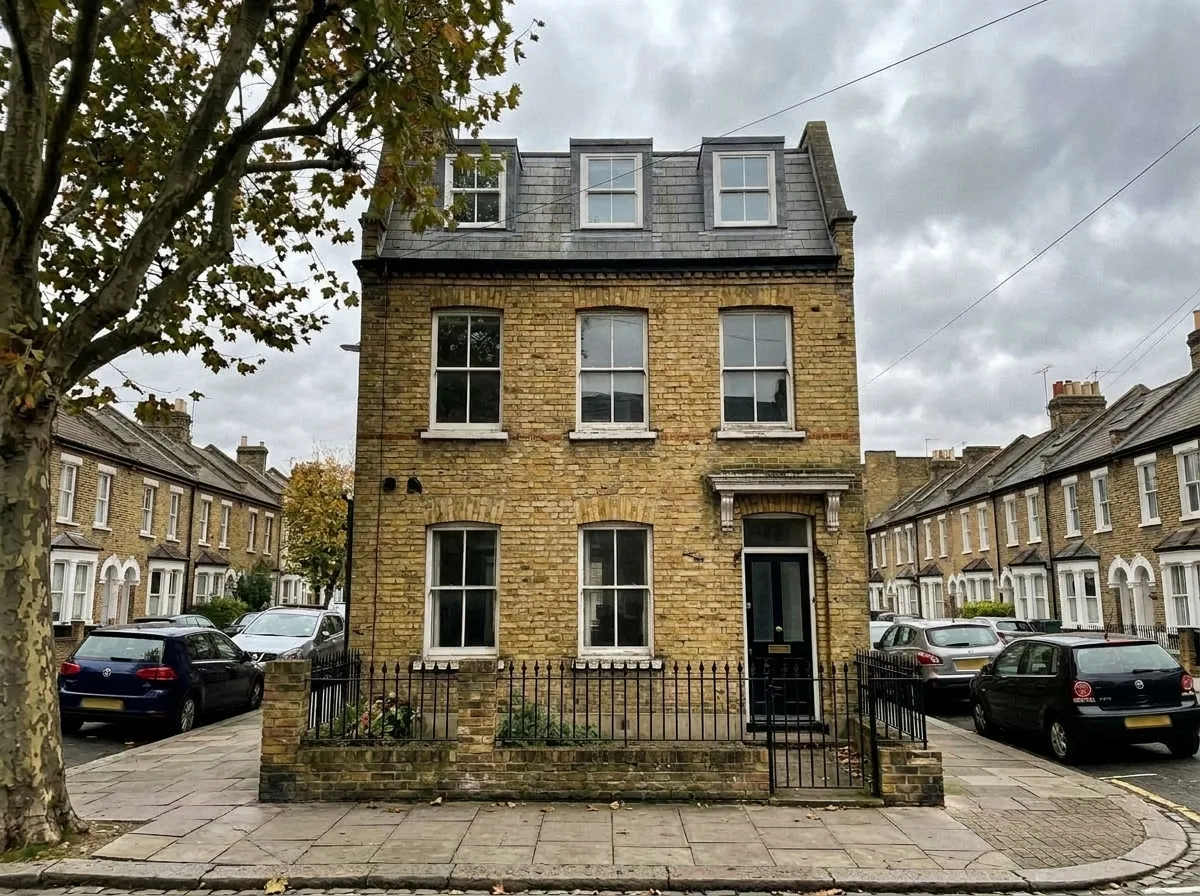
- The property is Victorian or Edwardian and a flat-roofed dormer would look wrong
- The home sits above £500,000 already and you want the conversion to match
- You are in Jesmond or Tynemouth where the resale uplift justifies the spend
- You are happy to commit to 12 to 16 weeks on site and full planning
The rule of thumb on resale is that mansards add roughly £60,000 to £90,000 to a Jesmond or Tynemouth period property, against a £55,000 to £80,000 build cost. That is a genuine value uplift rather than simple cost recovery. On a Gosforth semi the maths usually does not work, which is why we recommend hip-to-gable conversions there instead.
For a wider comparison see our loft conversion types guide or the dedicated UK mansard page.
What the build looks like
Knowing the rough sequence helps with planning your life around the work.
Weeks 1 to 2: strip out and scaffold. Full scaffold goes up at the rear, tiles come off, rafters are removed and the loft is opened to the sky. A temporary weather covering protects the floors below.
Weeks 3 to 5: new structure. Party walls are raised in brick to the new height. Steel beams go in to carry the new floor and roof loads. The new floor joists are laid.
Weeks 6 to 8: walls and roof. The steep rear face of the mansard is framed and clad, traditionally in slate to match Newcastle period stock. The new flat roof is built and made watertight. Rooflights are installed.
Weeks 9 to 12: first fix and stair. Plumbing and electrics are run. The new staircase is fitted, which often requires reworking the existing landing. Insulation and plasterboard go on.
Weeks 13 to 16: second fix and finish. Bathroom is installed and tiled. Doors are hung, skirting fitted, walls painted. Final inspection by Building Control. Handover.
Most Newcastle households stay in the property throughout. The work is dusty during stripout and noisy during the structural weeks, but the new floor is sealed off from the rest of the house once the floor is in place.
How we work
UK Loft Conversion is a UK-wide loft conversion company and we build mansards in Newcastle. We are new, so we do not claim a long track record. What we offer is straightforward:
- Free home survey. A surveyor visits and measures the loft properly. There is no obligation to proceed.
- Written quote. Itemised by structural work, roofing, joinery, electrics, plumbing and finishes, so you can see exactly what is included.
- 10 year workmanship warranty. Issued in writing on completion.
- One point of contact. The same project manager from survey to handover.
Mansards are not a starter project. The contractor needs to handle steels, slate work, party walls and planning. Our Newcastle network is filtered for builders who have done mansards before, rather than only rear dormers.
If you want to compare options first, our city pages for London, Manchester, Leeds and Birmingham carry the same coverage as Newcastle, and the main Newcastle hub lists every suburb we cover.
Before you book
Frequently asked questions
How much does a mansard loft conversion cost in Newcastle?
Typical Newcastle mansards run £55,000 to £80,000 fitted to a good standard in 2026. That covers structural work, the new floor, slate cladding, rooflights, staircase, one bathroom and standard finishes. Premium specifications with stone tiling, joinery and underfloor heating can push to £90,000 or more. Newcastle pricing runs roughly 12 percent below the UK average for this work.
Do I need planning permission for a mansard in Newcastle?
Yes, almost always. A mansard raises the roof and extends the slope above the original ridge, which falls outside permitted development. The relevant council is Newcastle City Council for NE1-NE7 and NE15, North Tyneside Council for NE25-NE30, and Gateshead Council for NE8-NE11. Householder application fee is £548 and the decision target is 8 weeks.
How long does a mansard take to build?
Typically 12 to 16 weeks on site once work starts. Add 8 to 12 weeks for planning beforehand and roughly 6 to 8 weeks for design, structural calculations and Building Control sign-off in parallel. Plan for 6 to 8 months from first survey to a finished room.
Is a mansard better than a dormer in Jesmond?
For Victorian and Edwardian Jesmond terraces, usually yes. The original roofs are too shallow for a dormer to deliver useful head height, and a flat-roofed dormer looks wrong against the period brickwork. Mansards add more space, suit the architecture, and the Jesmond market rewards them on resale. On a post-war Jesmond property a dormer can still be the better call.
Will a mansard add value to my Newcastle home?
On a Jesmond or Tynemouth period property the uplift typically runs 18 to 22 percent of home value. A £400,000 Jesmond terrace gains roughly £72,000 to £88,000 in valuation from a mansard costing £60,000 to £75,000. The maths is weaker on Gosforth semis or Whitley Bay 1930s stock, where a hip-to-gable or dormer usually pays off better.
Can I stay in the house during the build?
Yes, most Newcastle homeowners do. The first few weeks involve scaffolding, dust and noise as the roof comes off, and the structural weeks (3 to 8) are the loudest. Once the new floor is in and weatherproofed, the loft is sealed off from the rest of the house and the noise drops significantly. Some households move out for the first 3 weeks if children or working-from-home pressures make it difficult.
What about Tyneside flats?
Tyneside flats are a special case. The upper-flat owner technically owns the loft, but converting it requires the lower-flat owner's freehold consent and full planning permission. The structural work also has to bear on the lower flat's ceiling joists, which often need strengthening. A mansard on a Tyneside flat is possible but adds 6 to 8 weeks of negotiation and consent work, and roughly £3,000 to £5,000 in legal and structural fees.
What warranty do you offer?
Every conversion comes with a 10 year workmanship warranty. The Building Regulations completion certificate is issued by the local authority on sign-off. Workmanship snags are covered for 12 months from handover. We also issue a written quote after the survey, itemised so you can see exactly what is included.
Related pages
- Cities/Newcastle →
- Cities/Newcastle/Jesmond →
- Cities/Newcastle/Tynemouth →
- Cities/Newcastle/Heaton →
- Cities/Newcastle/Dormer →
- Cities/Newcastle/Hip To Gable →
- Cities/Newcastle/Cost →
- Cities/Newcastle/Planning Permission →
- Loft Conversion Cost →
- Loft Conversion Types →
- Mansard Loft Conversion →
- Cities/London →
- Cities/Manchester →
- Cities/Leeds →
- Cities/Birmingham →
- Cities/Gateshead/Mansard →
- Cities/Sunderland/Mansard →
- Cities/South Tyneside/Mansard →
- Cities/North Tyneside/Mansard →
Ready for a written quote?
Free home survey, a written quote itemised by stage, and a 10 year workmanship warranty.